Cook with precision using Sous Vide
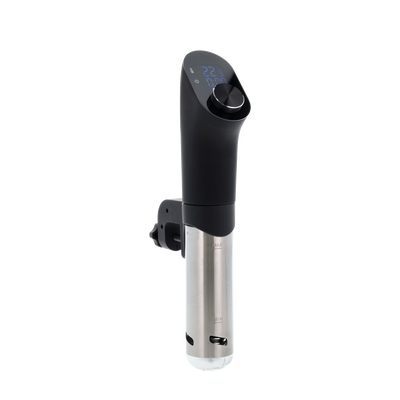
It is easy to overcook a roast or miss the right texture in fish. With a water bath and vacuum-sealed ingredients, Sous Vide gives you more control and helps you achieve even cooking. A Sous Vide stick keeps the water at a constant temperature, so you can work towards the result you want more precisely.
The temperature can be adjusted very accurately, which helps you reach the core temperature you are aiming for. While the food cooks in a sealed bag, its natural juices stay with the ingredients, which gives a fuller flavour. For many people, that is the main reason to explore this cooking method in more detail.
Although the method may seem advanced at first, it is straightforward in everyday use. It is also a technique used in leading restaurants and has been known since the late 18th century. On this page, you can compare Sous Vide sticks together with the main accessories, so it is easier to move from general interest to a more specific choice.
If you are getting started, a practical way to choose is to begin with the basics: a Sous Vide stick, a vacuum sealer and suitable bags. From there, you can look at the type of ingredients you want to cook most often and choose the setup that fits that purpose.
What can you make with a Sous Vide?
Sous Vide is used for much more than one type of dish. Home cooks use it for everything from béarnaise sauce to crème brûlée. Still, some ingredients are especially well suited to this method, and these are often the easiest place to start when comparing products in the category.
Beef in Sous Vide
Cuts such as beef tenderloin and sirloin cap become very tender in the warm water bath. You can seal the meat in vacuum bags with your preferred herbs, set the temperature, and finish with a quick sear for colour on the outside. Other cuts mentioned in connection with Sous Vide include roast beef, veal sirloin cap, beef fillet, beef tenderloin and chateaubriand.
Vegetables in Sous Vide
Vegetables get a particularly good texture with Sous Vide, and they retain their nutrients during cooking. Asparagus or corn can be sealed in a bag with a little butter, then cooked at the chosen temperature. This gives an intense flavour and a consistent texture, which is one reason vegetables are often recommended when you want to understand what the method can do.
Chicken in Sous Vide
If you want juicy and tender chicken, Sous Vide gives you close control over the process. You choose your seasoning, set the temperature and cook the chicken in the water bath. After that, a quick sear gives the skin a crisp finish. This combination of controlled cooking and a short final sear is common across several types of ingredients.
Fish in Sous Vide
Sous Vide also works well for fish. A slice of lemon and some dill can be added to the vacuum bag before cooking. The result is fish that flakes into layers and has a delicate texture. If you are comparing products in this category mainly for fish, accurate temperature control is one of the key features to look at.
Pork in Sous Vide
Pork chops, tenderloin, roast pork and neck fillet can all be cooked with an even and tender result using Sous Vide. Marinade or spices can go into the bag, and the meat can be finished with a short sear to create a crisp outside. For many shoppers, this is where the category becomes easier to understand. The method is the same, but the final result depends on how accurately you can control temperature and how well the food is sealed.
FAQ: Learn more about Sous Vide and the equipment you need
What does Sous Vide mean?
Sous Vide is French and means 'under vacuum'. The name refers to the part of the method where food is cooked while vacuum sealed.
What is Sous Vide?
Sous Vide is a cooking technique where food is vacuum sealed in a plastic bag and then cooked in a water bath at a constant temperature. This helps the food cook evenly.
How do you use a Sous Vide stick?
Fill a container with water, attach the stick to the side with its clamp and set the desired temperature. Then place your vacuum-sealed food in the water bath and let it cook for the required time. You will find detailed instructions with the individual product.
How does Sous Vide work?
Sous Vide works by circulating water at a constant temperature around vacuum-sealed food. This helps avoid overcooking or undercooking and makes the cooking result more even.
What are the benefits of Sous Vide?
One of the main advantages is the ability to achieve a consistent cooking result. The juices also stay with the ingredients during cooking, which can give a more intense flavour. If you are comparing this category with other ways of cooking, that combination of control and consistency is often the deciding factor.
Which Sous Vide should I choose?
Most Sous Vide sticks are similar in overall function, but there are still differences worth comparing. One important point is how precisely the temperature can be set, as this varies from one model to another. Another is how many litres of water the stick circulates per minute, since that can affect how evenly the heat is distributed.
In our range, you can compare Sous Vide sticks and accessories within the wider kitchenware selection and the full kitchen appliances category. If you are looking at other appliance types as part of your kitchen setup, you can also browse airfryers, blenders and food processors, coffee machines and electric kettles.
What accessories do you need for Sous Vide?
Besides a Sous Vide stick to keep the water at a constant temperature, you need a few accessories to use the method properly. First, you need a vacuum sealer, because it is important that the ingredients are fully sealed in the bag and that the air is removed for an even result. A vacuum sealer helps prevent air pockets where the water cannot reach the ingredients properly.
Second, you need bags that are suitable for contact with food during cooking in hot water. The vacuum bags in the range are made to handle the water temperature without affecting flavour.
If you are exploring related appliances while browsing, you can also continue to hand blenders, hand mixers, hot plates, ice cream machines, microwave and mini ovens or a mini food processor.
Sous Vide and kitchen appliances at Kitchen Living Dining
If you want more control over cooking meat, fish or vegetables, this category brings together the main products used for Sous Vide in one place. You can compare sticks and accessories, then narrow your choice down according to how precise you want the temperature settings to be and which ingredients you plan to cook most often.
Kitchen Living Dining also has a broader range of appliances if you want to continue exploring beyond Sous Vide. You can browse mixers, other electrical products, pizza ovens, raclette, rice cookers, toasters and panini grills, toasters and waffle irons as natural next steps within the same webshop structure.
Frequently asked questions
What does Sous Vide mean?
Sous Vide is French and means “under vacuum”. In practice, this means the food is sealed in a bag before it is cooked in water at a controlled temperature.
How does Sous Vide cooking work?
Sous Vide works by keeping water at a constant temperature while vacuum-sealed food cooks in the bath. This makes it easier to cook food evenly and helps you avoid overcooking or undercooking.
How do you use a Sous Vide stick at home?
You fill a container with water, attach the Sous Vide stick to the side and set the temperature you want. Then you place the sealed food in the water bath and leave it for the required time. In everyday use, this means you can follow a simple step-by-step process without needing to adjust the heat constantly.
What can you cook with Sous Vide?
Sous Vide can be used for beef, pork, chicken, fish and vegetables, and the text also mentions dishes such as béarnaise sauce and crème brûlée. In practice, this helps you use the same cooking method across different ingredients while aiming for a more consistent texture.
Why do people choose Sous Vide for meat, fish and vegetables?
One of the main reasons is that the temperature can be controlled very accurately, which helps you reach the result you want more precisely. The food also cooks in its own juices inside the sealed bag, and in practice this can give a fuller flavour and a more even texture.
What should I compare when choosing a Sous Vide stick?
The text highlights two practical points to compare: how precisely the temperature can be set and how many litres of water the stick circulates per minute. This makes it easier to choose between narrower options depending on how much control you want and how evenly you want the heat distributed.
What accessories do you need for Sous Vide?
Besides a Sous Vide stick, you need a vacuum sealer and bags that are suitable for food contact during cooking in hot water. In everyday use, this helps you seal the ingredients properly, remove air pockets and keep the cooking result more even.
How can I narrow down the right Sous Vide setup for my needs?
A practical starting point is to begin with the basics: a Sous Vide stick, a vacuum sealer and suitable bags. From there, you can focus on the ingredients you plan to cook most often, which makes it easier to move from general interest to more specific selections.