Bake homemade waffles with a waffle iron
There is something special about the smell of freshly baked waffles. They suit breakfast, dessert or an afternoon snack, and the right waffle iron makes it easier to get the result you want. On this page, you can compare different types of waffle irons and move from broad choices, such as classic or Belgian waffles, to more specific details like single or double plates and practical features.
Kitchen Living Dining brings together waffle irons from well-known brands, including Blomsterbergs. Whether you prefer thin, crisp heart-shaped waffles or thicker Belgian waffles, this category helps you sort the options and choose a model that matches the way you want to bake.
Guide: which waffle iron should you choose?
There are several types of waffle irons, and a practical way to choose is to start with the kind of waffles you want to make most often. Then you can look at capacity and functions that affect everyday use.
Classic waffle iron. Heart-shaped waffles
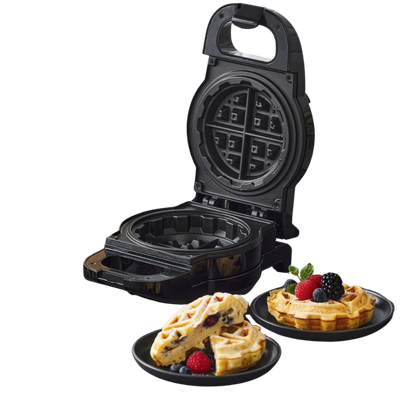
The classic waffle iron is the round model many people know from home. It makes five small heart-shaped waffles and is well suited to thin, crisp waffles with a relatively short baking time. It is also straightforward to use and clean, which makes it a natural choice if you want a familiar style of waffle for regular use.
Belgian waffle iron. Thick and fluffy waffles
A Belgian waffle iron makes the deep, square waffles often served with toppings such as ice cream, syrup or berries. These waffles are thicker than classic waffles, so the baking time is usually a little longer. If you want a fuller waffle for dessert or breakfast, this type is the clearest place to start.
Double waffle iron. When you want to bake more at once
A double waffle iron is useful if you want to bake quickly and serve several waffles without much waiting. When you browse the category, this is an easy way to narrow your choice if capacity matters as much as waffle style.
Features worth looking for
Once you have chosen the type of waffle iron, it helps to compare the features that make baking easier:
Adjustable temperature lets you choose whether your waffles should be lighter or crisper. Non-stick coating helps with cleaning and means less fat is needed. Indicator lights show when the iron is hot and when the waffle is ready. Cool-touch handles make the waffle iron easier to handle, and a steam vent helps release moisture for a crisper result.
These details make it easier to compare models across the page, especially if you already know the waffle style you want and now need to decide which features matter most in daily use.
Waffle irons without PFAS
If you want to avoid PFAS in your cooking, you can choose a waffle iron made without PFAS. The Danish text describes PFAS as a group of chemicals previously used in non-stick coatings and now avoided in modern kitchenware.
All waffle irons in this category are produced without the use of PFAS. That makes this page a clear starting point if this is one of the factors you want to include when comparing models.
How to use your waffle iron
1. Prepare the batter
Make the batter before heating the waffle iron so it is ready when the plates are hot.
2. Heat the waffle iron
Turn on the waffle iron and wait until the indicator light shows that it is ready. Many models use red and green lights as a guide.
3. Add the batter
Pour a suitable amount of batter into the centre of the lower plate, about 1/2 to 1 dl. Avoid overfilling, as the batter will spread when you close the iron.
4. Close the iron carefully
Close it gently so the batter spreads evenly. Avoid pressing it down too hard, especially with a thick batter.
5. Bake the waffle
Baking time is typically 2-4 minutes, depending on the waffle type and the iron. Check carefully as you get to know your model. If you prefer crisper waffles, a steam vent can help.
Tip: The Danish guide recommends using a little butter or oil spray the first time, even with a non-stick coating.
6. Clean after use
When the waffle iron has cooled, wipe it with a damp cloth. Do not use abrasive sponges or metal utensils.
7. Loosen burnt-on residue with a cleaning waffle
If some residue is stuck, you can bake a cleaning waffle made from 1 dl flour, 0.5 dl water and 2 tablespoons of salt. Bake it like a normal waffle and discard it afterwards, as it is not for eating.
More ways to use waffles
Waffles can be more than a sweet dessert. The category includes models for classic waffles, Belgian waffles and other variations, which makes it easier to choose a waffle iron for different kinds of batter and serving ideas.
For breakfast
Serve warm waffles with bacon, eggs or skyr and berries.
For lunch or dinner
You can make savoury waffles with grated cheese, spinach or vegetables in the batter and serve them with dip, greens or a small salad.
For dessert
Top waffles with ice cream, chocolate sauce, berries or Nutella. A simpler option is icing sugar and jam.
Waffles with a twist
The Danish content also highlights æbleskive waffles made either from ready-made æbleskiver or from traditional æbleskive batter baked in the waffle iron instead of standard waffle batter.
Blomsterbergs waffle irons
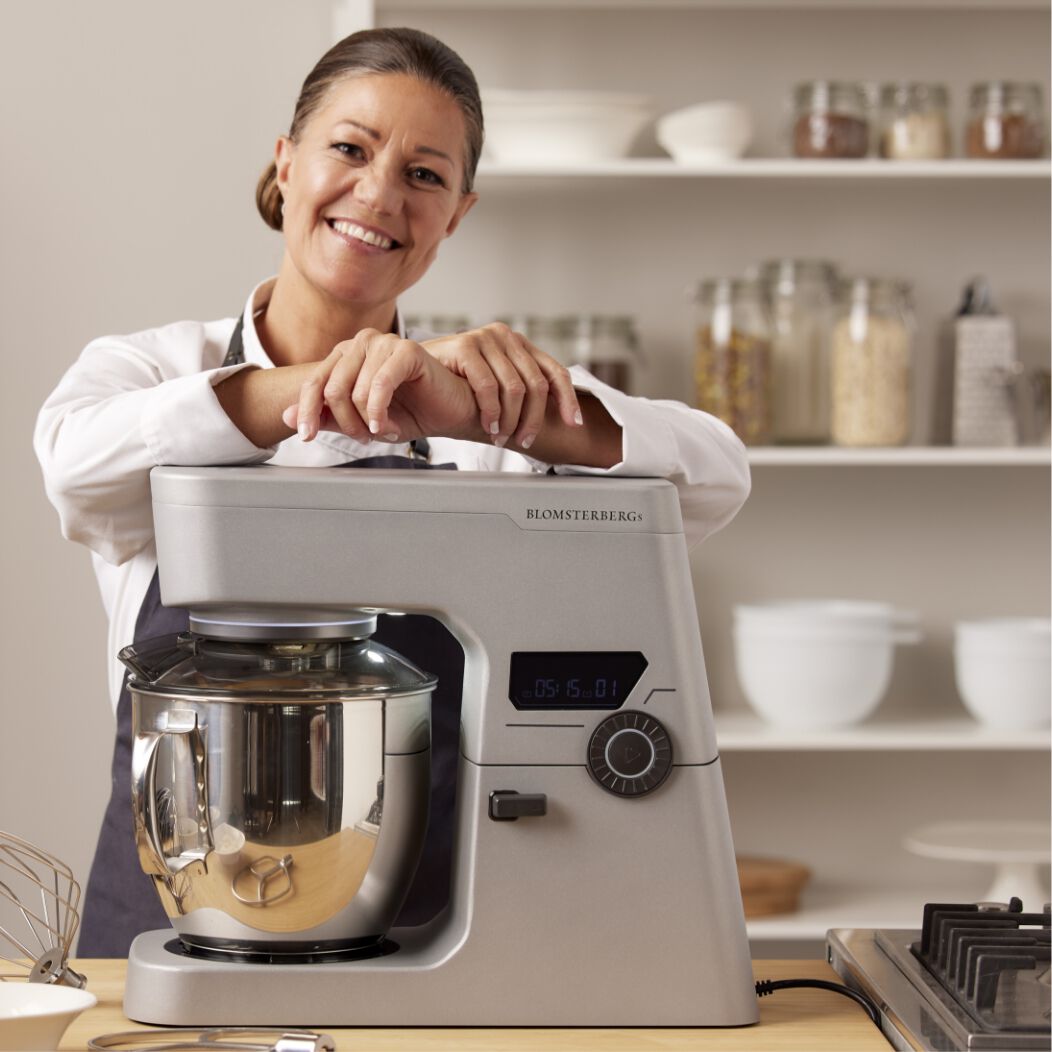
In this category you will also find waffle irons from Blomsterbergs. The Danish source presents Mette Blomsterberg as a recognised pastry chef in Denmark whose experience and baking background are reflected in her products.
If you are comparing within the wider range of kitchen appliances, waffle irons sit alongside products such as hand mixers, mixers, hand blenders and blenders and food processors for batter preparation. You can also explore related categories such as toasters and panini grills, toasters and coffee machines.
For other ways of preparing warm snacks and meals, the same section also includes airfryers, microwave and mini ovens, pizza ovens, hot plates and raclette. If you are browsing more specialised electrical products, you can also look at rice cookers, sous vide, ice-cream machines, electric kettles, the mini food processor category and other electrical products.
FAQ: common questions about waffle irons
What should you look for when buying a waffle iron?
Start by deciding whether you want classic or Belgian waffles, and whether a single or double waffle iron suits you better. Then compare useful features such as temperature control, non-stick coating and indicator lights.
What is the difference between a Belgian and a classic waffle iron?
A Belgian waffle iron makes thick, square waffles with deep grooves, while a classic waffle iron makes thin, crisp heart-shaped waffles.
How much batter should you use?
As a general guide, about 1/2 to 1 dl of batter is used per waffle, depending on size.
How long does a waffle take to bake?
Typically 2-4 minutes. Classic waffles are usually quicker than Belgian waffles.
Can you adjust the temperature?
Yes, many models allow you to control the temperature so you can choose a lighter or crisper result.
Why do waffles turn soft?
This is often caused by heat that is too low, too much batter or steam that cannot escape. A steam vent can help.
Can you use a waffle iron for anything else?
The Danish FAQ mentions toast, vegetable rösti, omelette and æbleskive waffles as examples of other uses.
Frequently asked questions
How do I choose the right waffle iron?
A practical place to start is the type of waffle you want to make most often, such as classic heart-shaped waffles or thicker Belgian waffles. In everyday use, this helps you narrow the filtered choices before comparing details like single or double plates, temperature control and indicator lights.
What is the difference between a classic waffle iron and a Belgian waffle iron?
A classic waffle iron usually makes thin, crisp heart-shaped waffles, while a Belgian waffle iron makes thicker square waffles with deeper grooves. In practice, this helps you choose between a lighter everyday waffle and a fuller waffle that is often served with toppings.
When is a double waffle iron a better choice?
A double waffle iron is useful when you want to bake more waffles at the same time and serve several people with less waiting. This makes it easier to manage baking in everyday use if capacity matters as much as the waffle style.
Which features are worth looking for on a waffle iron?
Useful features include adjustable temperature, non-stick coating, indicator lights, cool-touch handles and a steam vent. In practice, this helps you control how light or crisp the waffles become, makes cleaning simpler and makes the waffle iron easier to handle safely.
How much batter should I put in a waffle iron?
A general guide is around 1/2 to 1 dl of batter, poured into the centre of the lower plate. In everyday use, this makes it easier to avoid overfilling, as the batter spreads when you close the iron.
How long does it take to bake a waffle?
Baking time is typically about 2 to 4 minutes, depending on the waffle type and the waffle iron. In practice, this means classic waffles are often ready a little faster than Belgian waffles, and it helps to check carefully while learning how your model bakes.
Why do waffles sometimes turn soft instead of crisp?
Waffles can turn soft if the heat is too low, if too much batter is used or if steam cannot escape well during baking. This makes it easier to understand why features such as adjustable temperature and a steam vent can help give a crisper result.
How should I clean a waffle iron after use?
Once the waffle iron has cooled, wipe it with a damp cloth and avoid abrasive sponges or metal utensils. In practice, this helps protect the plates, and if residue is stuck, a simple cleaning waffle made from flour, water and salt can help loosen it.